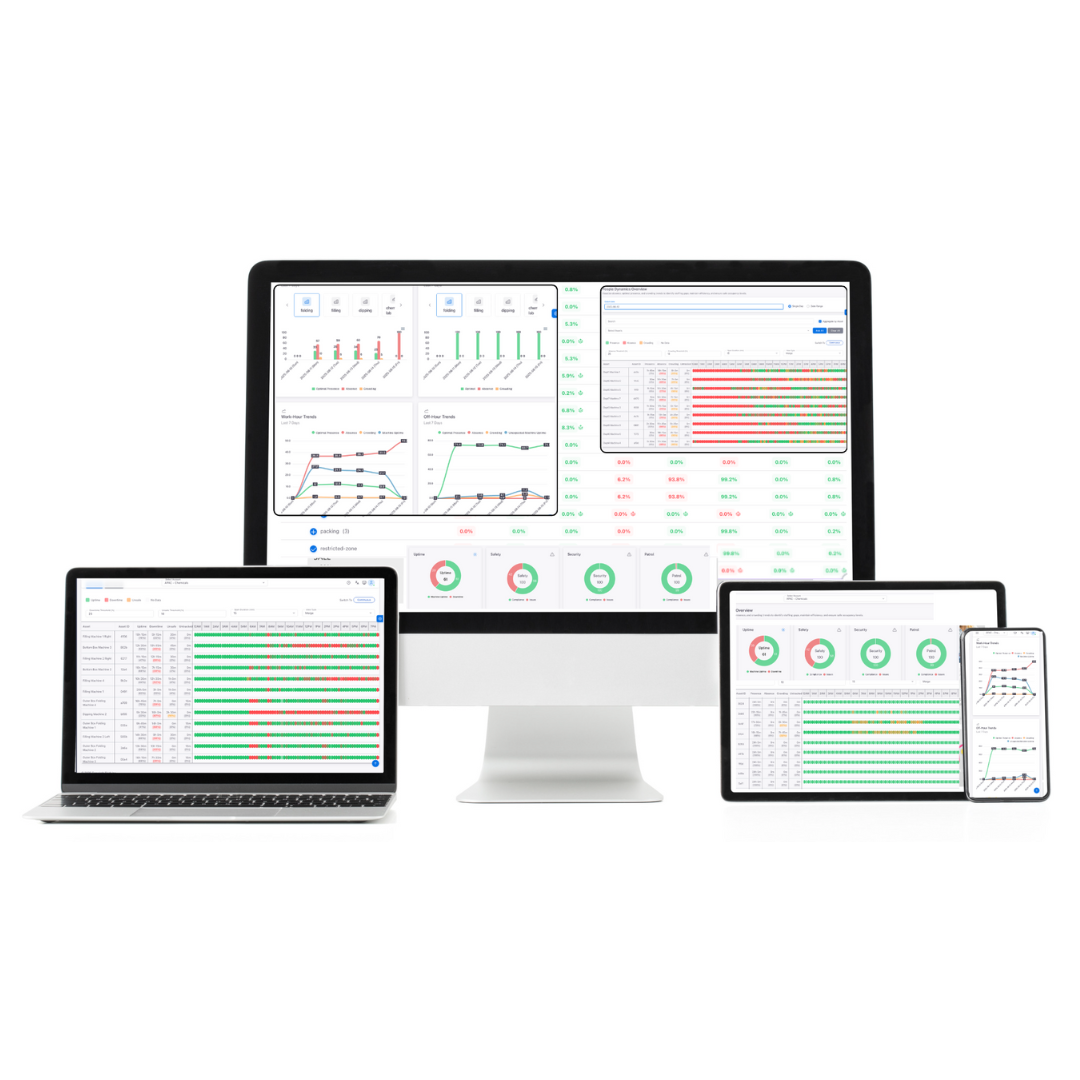
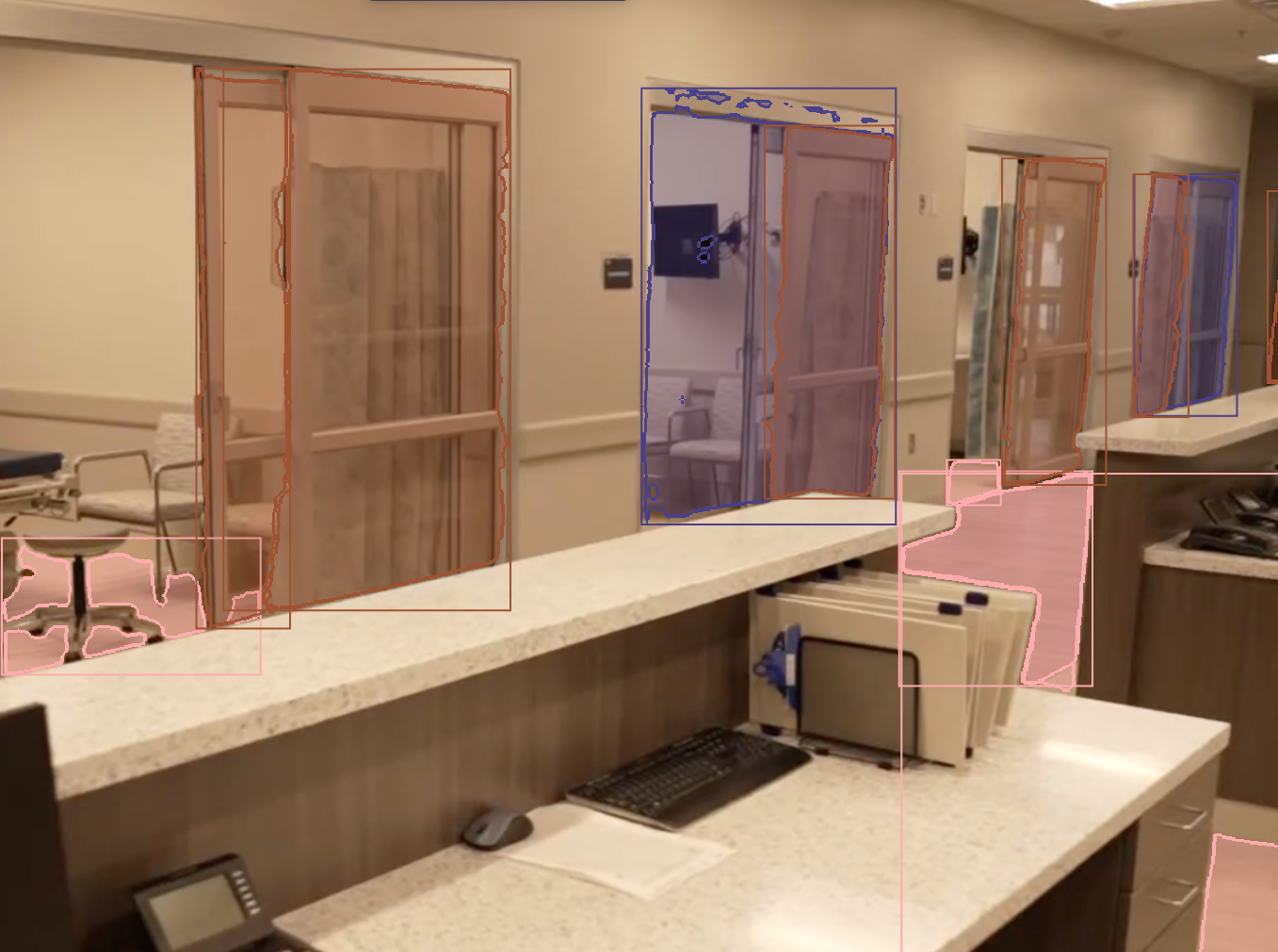
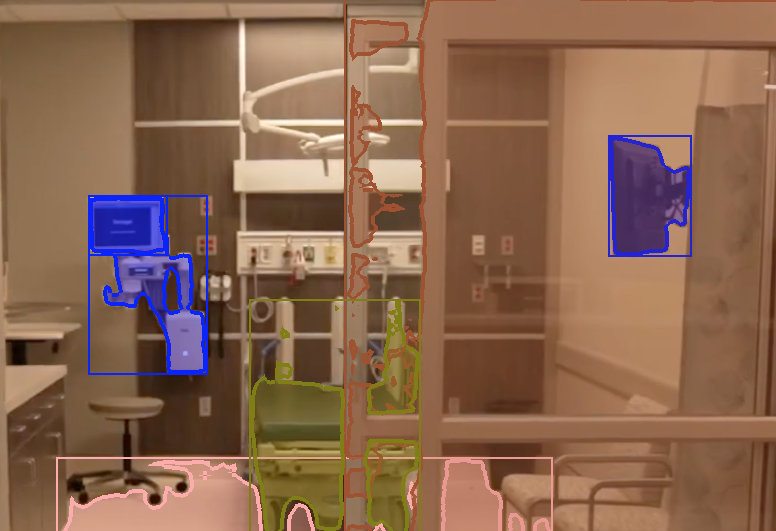
Monitors entrances, isolation zones, and restricted areas, verifies authorized movement across care units, identifies unsafe conditions, and detects weapons or prohibited items at critical points without interrupting emergency access or clinical operations.

\
Observes clinical environment readiness, tracks room status, supports procedure timing, identifies workflow delays, and compares real activity against expected clinical steps to keep care delivery smooth, coordinated, and free of avoidable interruptions.
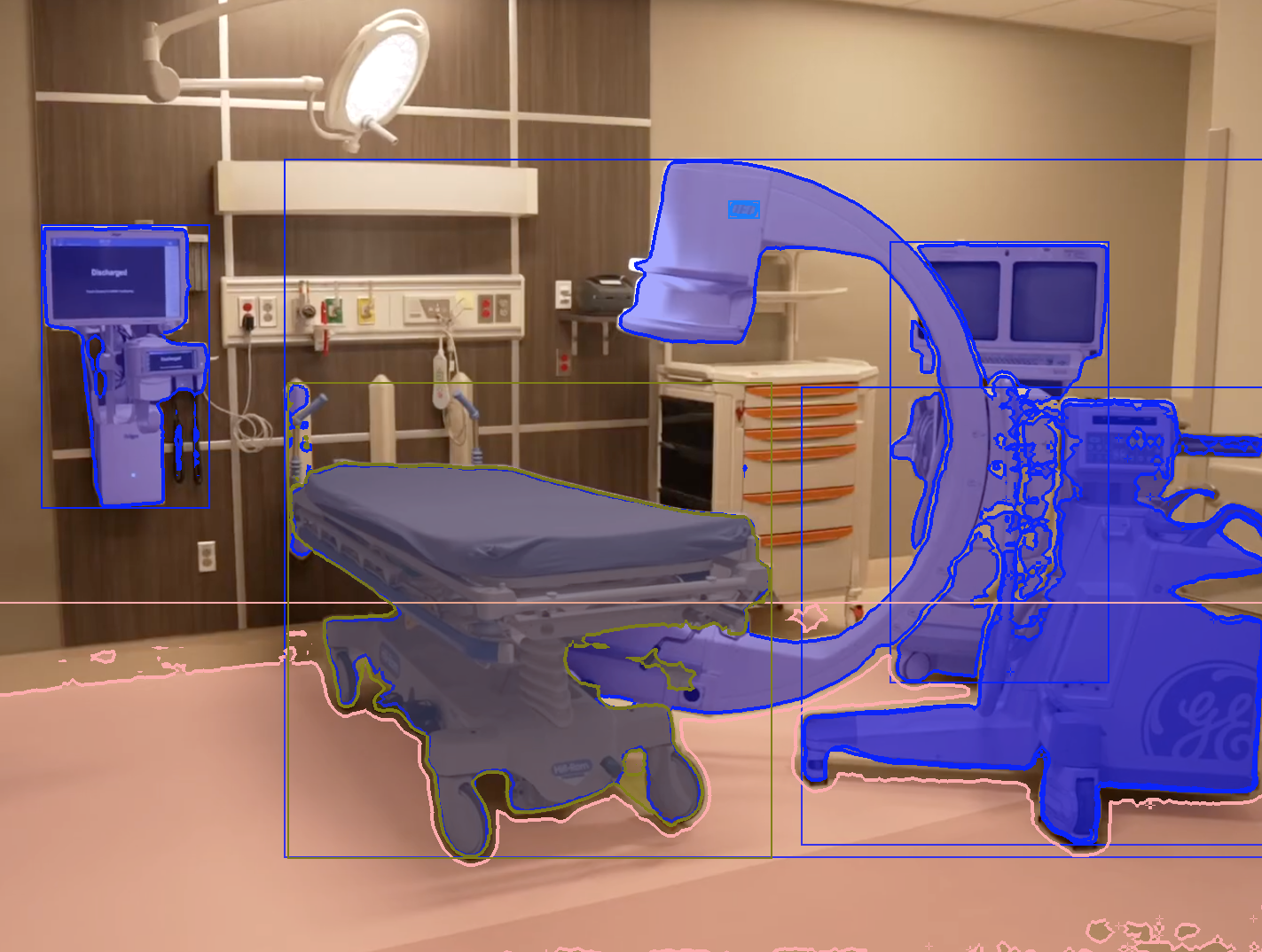
Correlates equipment movement, supply availability, and room turnover signals, confirms critical assets are positioned and prepared, and detects environmental hazards or obstructions that may disrupt clinical operations or reduce patient safety.

Frizb enhances hospital entrance safety by identifying visible weapons, dangerous objects, and high risk behaviors in real time, supporting compliance for emergency and public entry zones and strengthening frontline protection without delaying medical access.
Frizb provides continuous, non intrusive visibility into patient movement across hallways, wards, and transitional zones to identify emerging safety risks, prevent falls, and ensure vulnerable patients remain supported without requiring intrusive monitoring systems.
Frizb recognizes visually observable signs of medical distress, sudden collapses, or escalating incidents in hospital corridors and shared spaces, allowing teams to respond faster during critical events when seconds materially influence patient outcomes.
Frizb reveals real operational patterns across units, identifying delays, overcrowding, bottlenecks, and movement inefficiencies that slow care delivery, helping hospital leaders improve throughput without adding staffing or altering clinical protocols.
Frizb locates the real time position and movement of mobile hospital equipment to reduce retrieval delays, prevent misplacement, and ensure critical devices remain available when clinicians need them most.
Frizb identifies conditions that affect environmental safety, emergency readiness, and regulatory compliance by monitoring room turnover status, blocked pathways, hazard buildup, and other real world factors that influence hospital reliability.
Unlocking hospital safety and readiness requires more than alerts, badges, or hallway footage alone.
The system validates who enters sensitive areas, detects unauthorized movement, and confirms that all entry events align with approved zones such as ER access, pharmacy storage, and critical equipment rooms.

Monitors environmental shifts, supply-critical zones, equipment presence, crash-cart readiness, and room conditions to surface issues early and maintain continuous operational preparedness across units.
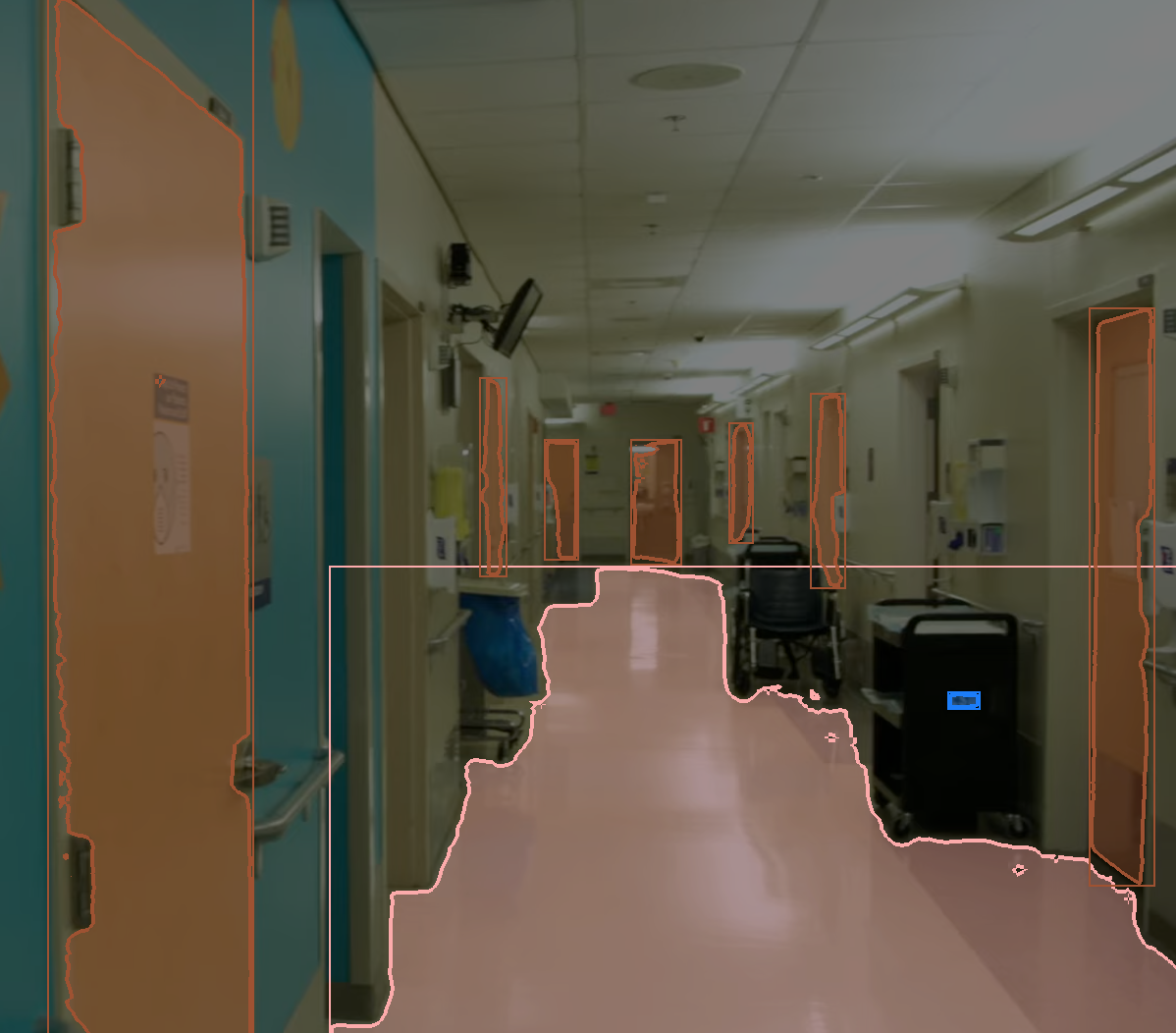
Detects weapons at entrances, identifies unsafe crowding or blocked egress routes, and surfaces environmental hazards that pose risk to patients, staff, and emergency operations.
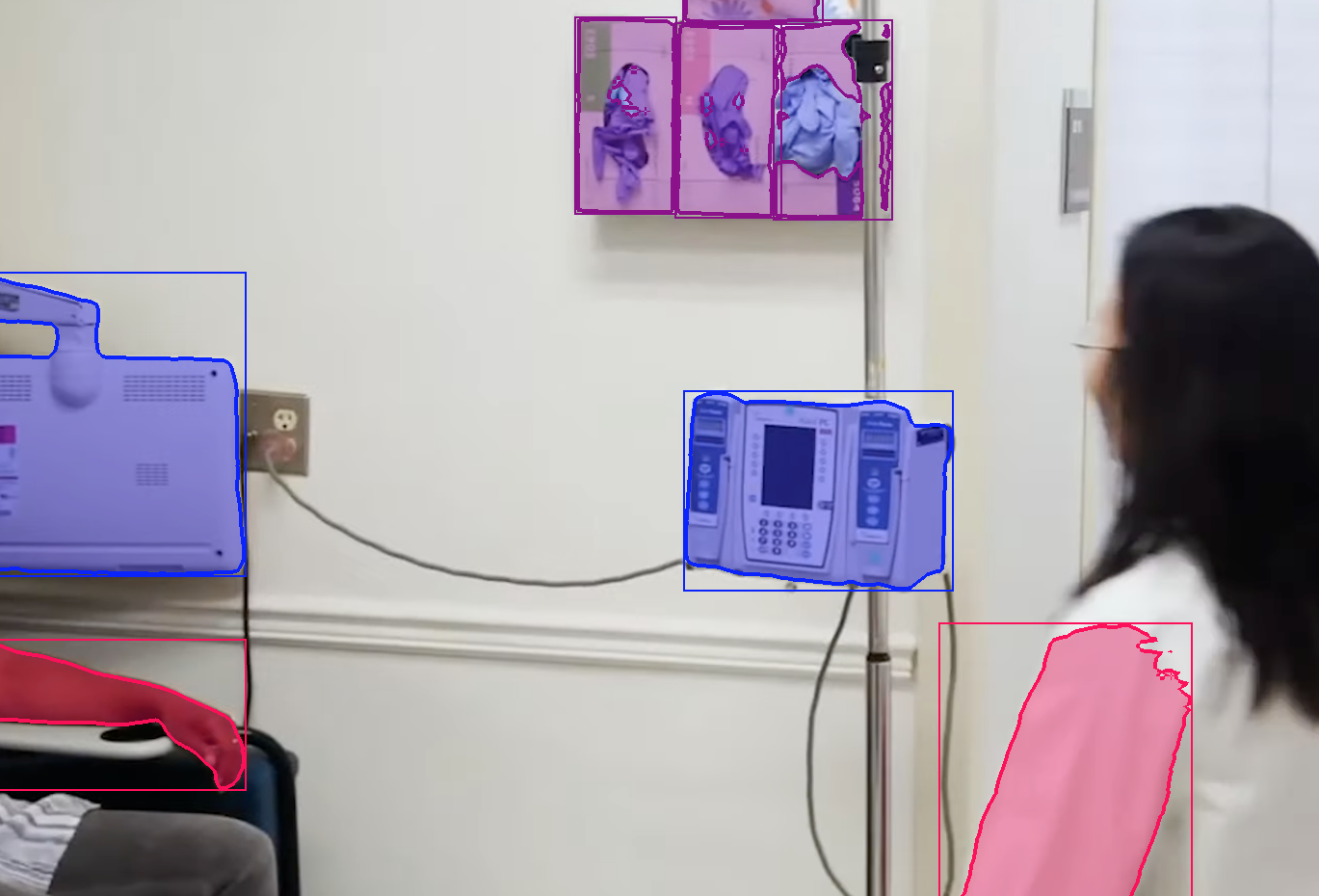
Synchronizes fixed cameras and telemetry signals to verify environmental events, validate readiness activities, support investigations, and produce reliable evidence for audits and compliance reviews.