Grid Supervisor

Decision Intelligence for Substations and Smart Grid

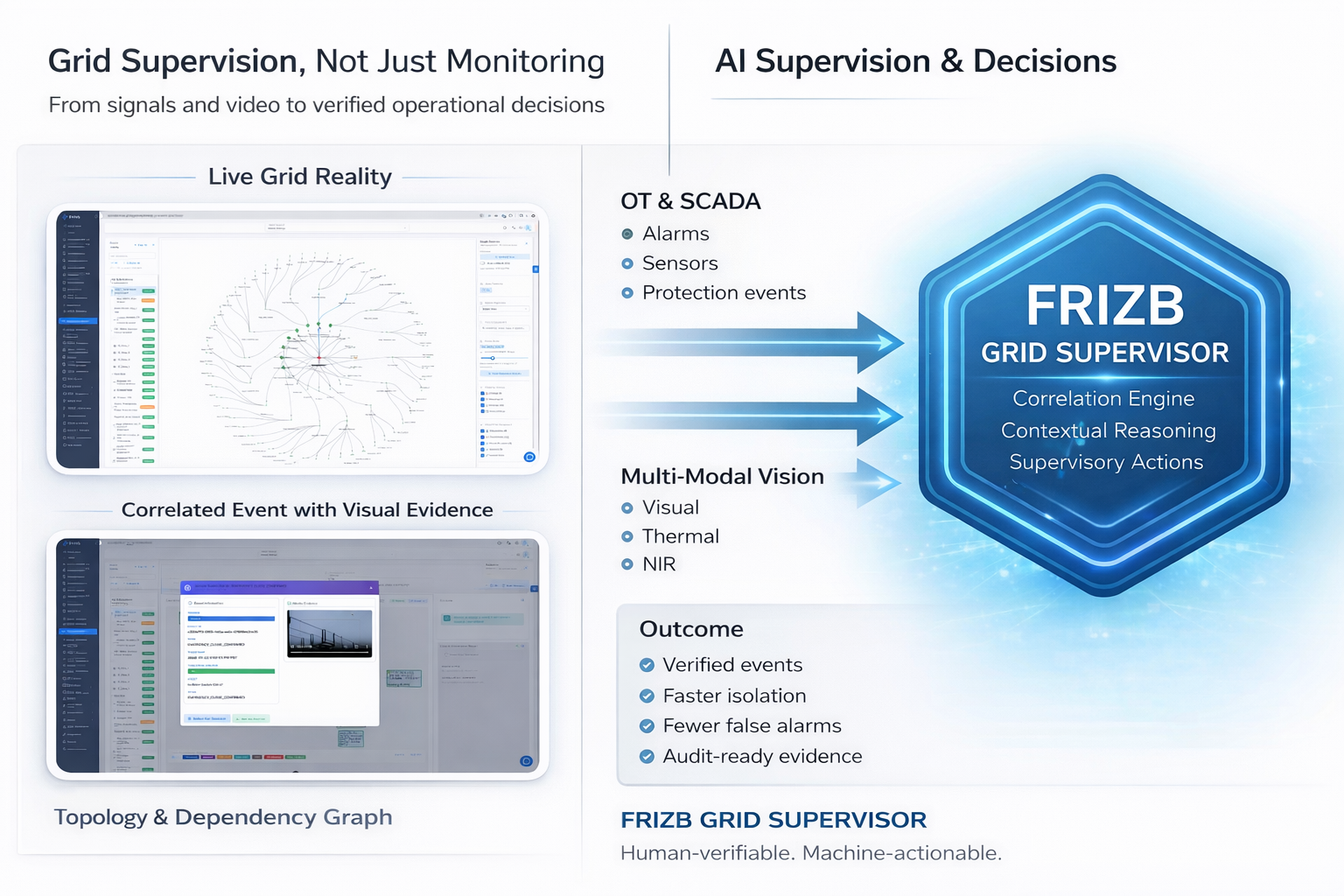
A Physical AI software to observe grid equipments, learns operating patterns & unifies OT events with visual intelligence
Why Grid Supervisor

Unlock Hidden Intelligence from the Infrastructure You Already Have

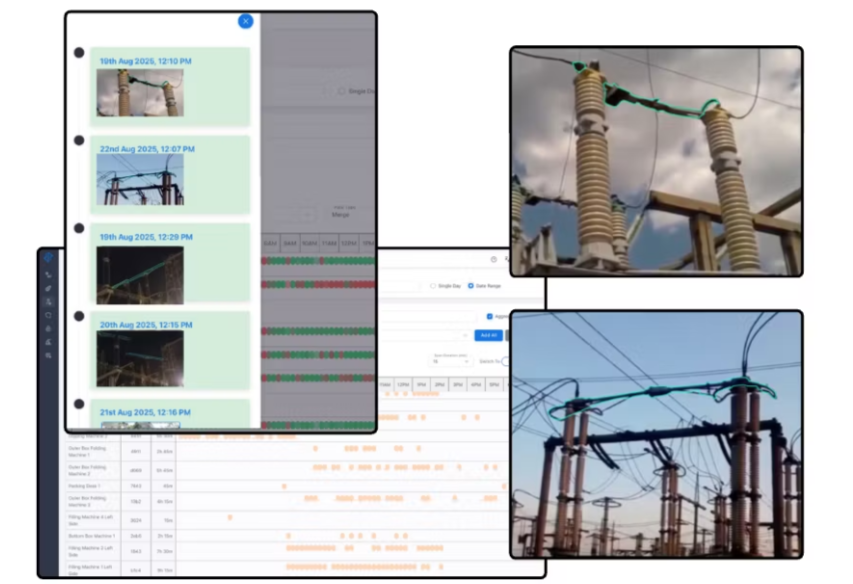
Understand Real Switching Behavior in Real Time

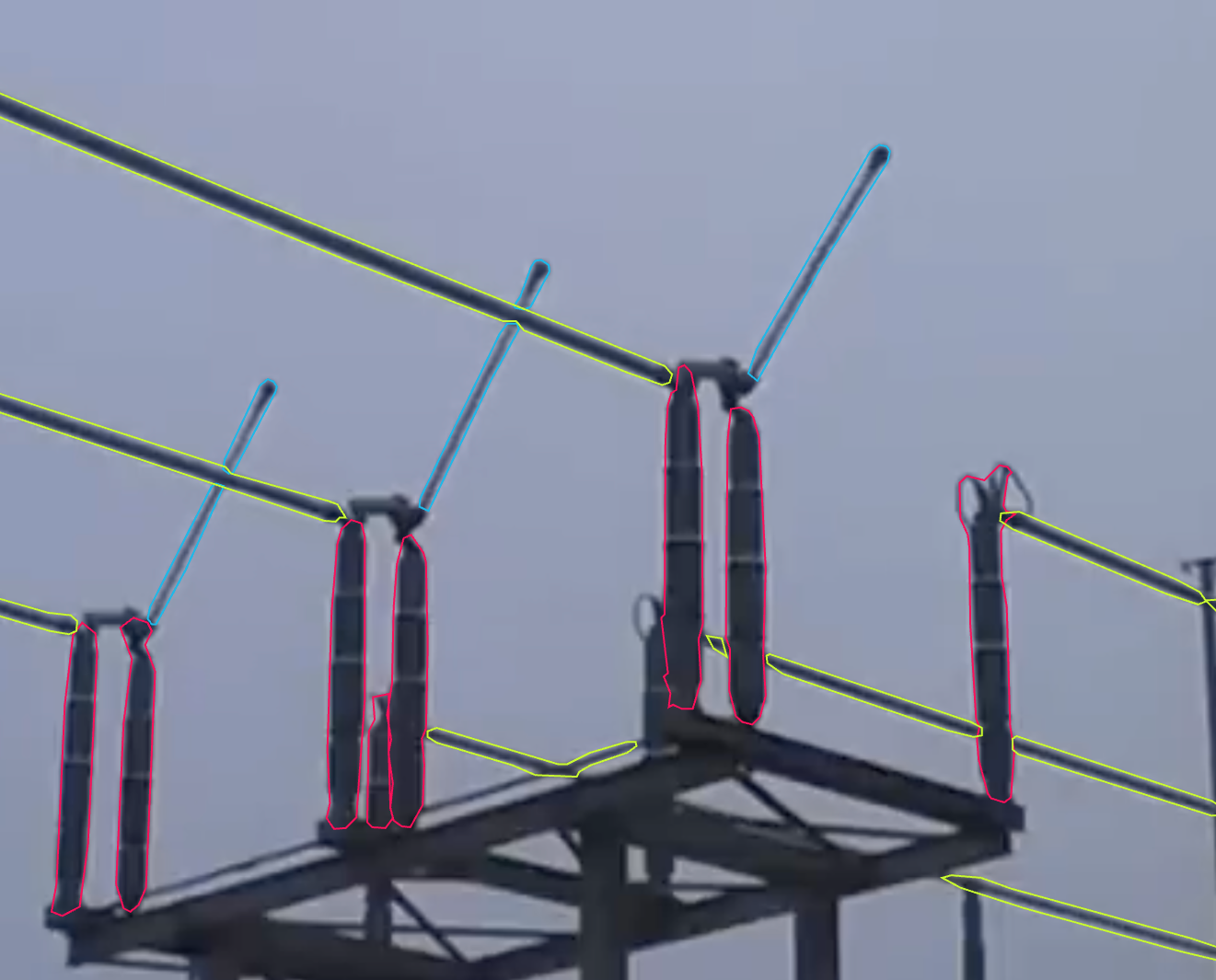
Grid Sentinel continuously analyzes the motion, timing, alignment, and mechanical consistency of reclosers, load break switches, and disconnects. By correlating visual behavior with OT events, it surfaces drift, misalignment, and abnormal travel patterns long before they cause misoperations or outages.

Switch Travel Analysis

Detect slow, sticky, or incomplete motion in reclosers and load break switches. Correlate cycle timing and position angles with event logs to identify mechanical deterioration that cannot be seen through OT data alone.

Position Verification

Confirm blade alignment, contact position, auxiliary linkage movement, and disconnect travel consistency. Visual checks pair with OT timestamps to validate that switching states reflect actual physical conditions.

Cycle Timing Drift

Identify gradual changes in open-close timing, bounce behavior, or reclose oscillations. Surface progressive drift patterns that signal lubrication issues, corrosion, or mechanical wear.

Event Contextualization

Link GOOSE messages, MMS reports, and DNP3 events to real equipment behavior. Operators see the exact mechanical sequence that preceded or followed an event, reducing investigation time dramatically.

Reveal Early Signs of Cooling and Load Stress

Grid Supervisor monitors radiator fans, oil pumps, cooling fins, bushings, and auxiliary systems to detect early thermal anomalies and mechanical drift. By combining visual cues with OT signals, it identifies transformer stress conditions well before alarms or temperature thresholds activate.

Fan Cycle Behavior

Track fan start-up, shutdown, sequencing, and unexpected idle periods. Detect inconsistent cycles or sluggish motion that often precede cooling inefficiencies and potential thermal excursions.

Auxiliary Pump Insight

Identify vibration changes, irregular motion, or abnormal run patterns in auxiliary pumps. Combine visual evidence with historian data to catch wear-related issues long before failures occur.

Thermal Pattern Drift

Spot uneven temperature distribution, unexpected warm spots, or cooling lag indicative of oil flow challenges, radiator issues, airflow obstruction, or contamination affecting heat dissipation.

Bushing Condition Signals

Monitor for discoloration, pollution buildup, moisture patterns, or partial discharge marks on bushings. These subtle changes often signal insulation problems long before conventional monitoring detects them.

Monitor Sensitive Control Assets with Visual Evidence

Grid Supervisor provides real time visibility into relay rooms, control cabinets, communication racks, and auxiliary structures. It detects environmental drift, enclosure changes, thermal anomalies, and emerging hardware issues that may impact protection reliability or cause nuisance trips.

Enclosure State Tracking

Detect open doors, latch changes, panel shifts, or environmental intrusion around relay cabinets. Track enclosure integrity as a leading indicator of both security and operational reliability.

Environmental Drift Alerts

Monitor humidity, condensation patterns, dust buildup, wildlife intrusion, or debris accumulation. Small changes in room environment often correlate with later failures or intermittent faults.

Thermal Hotspot Detection

Identify hotspots forming on relays, server racks, converters, or communication equipment. Spotting these patterns early prevents overheating-driven faults or misoperations.

Cable and Conduit Alignment

Solve a problem or close a sale in real-time with chat. If no one is available, customers are seamlessly routed to email without confusion.

Document Real Conditions That Justify a Shutoff

Grid Supervisor provides verifiable visual evidence of the conditions that led to a Public Safety Power Shutoff (PSPS). By combining fixed-camera views, drone footage, weather inputs, and OT event data, operators can document the actual field conditions that made continued energization unsafe.

Drone Footage Assessment

Use drone video to capture broader corridor and perimeter conditions, including smoke drift, damaged components, debris fields, and impaired access routes. Drones provide the context that fixed cameras may not capture.

Substation High-Wind Impact

Show how wind affects equipment inside the yard, including conductor sway, debris movement, cabinet vibration, and material displacement. These visuals help confirm that wind conditions exceeded safe thresholds for continued operation.

Equipment and Structural Stress

Document visible issues such as insulator contamination, loose hardware, abnormal transformer cooling behavior, or oscillation of disconnects. These indicators support the assessment that equipment was at heightened risk during the PSPS window.

Clear Public and Regulatory Explanation

Produce a concise visual record of the exact conditions at the time of the PSPS decision. This evidence helps address community questions about why service was interrupted and supports regulatory reporting with objective, field-verified data.

Prevent wildfire by tracking leading indicators

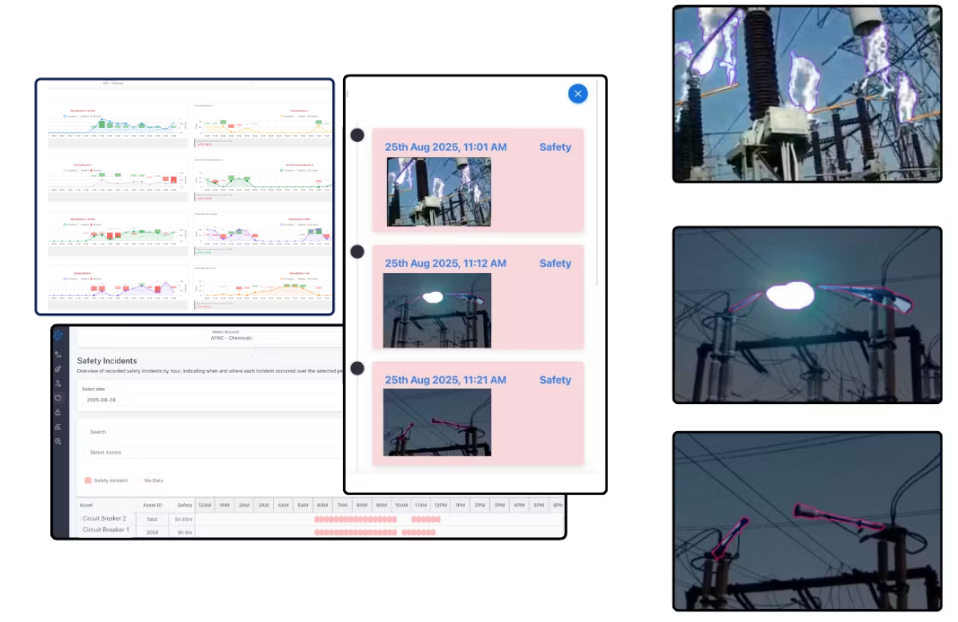
Grid Supervisor captures early visual indicators of potential ignition sources such as arcs, equipment heating, conductor movement, foreign object contact, and vegetation intrusion. This provides operators with documentation and real-time awareness of fire-risk conditions, especially in unmanned or remote substations.

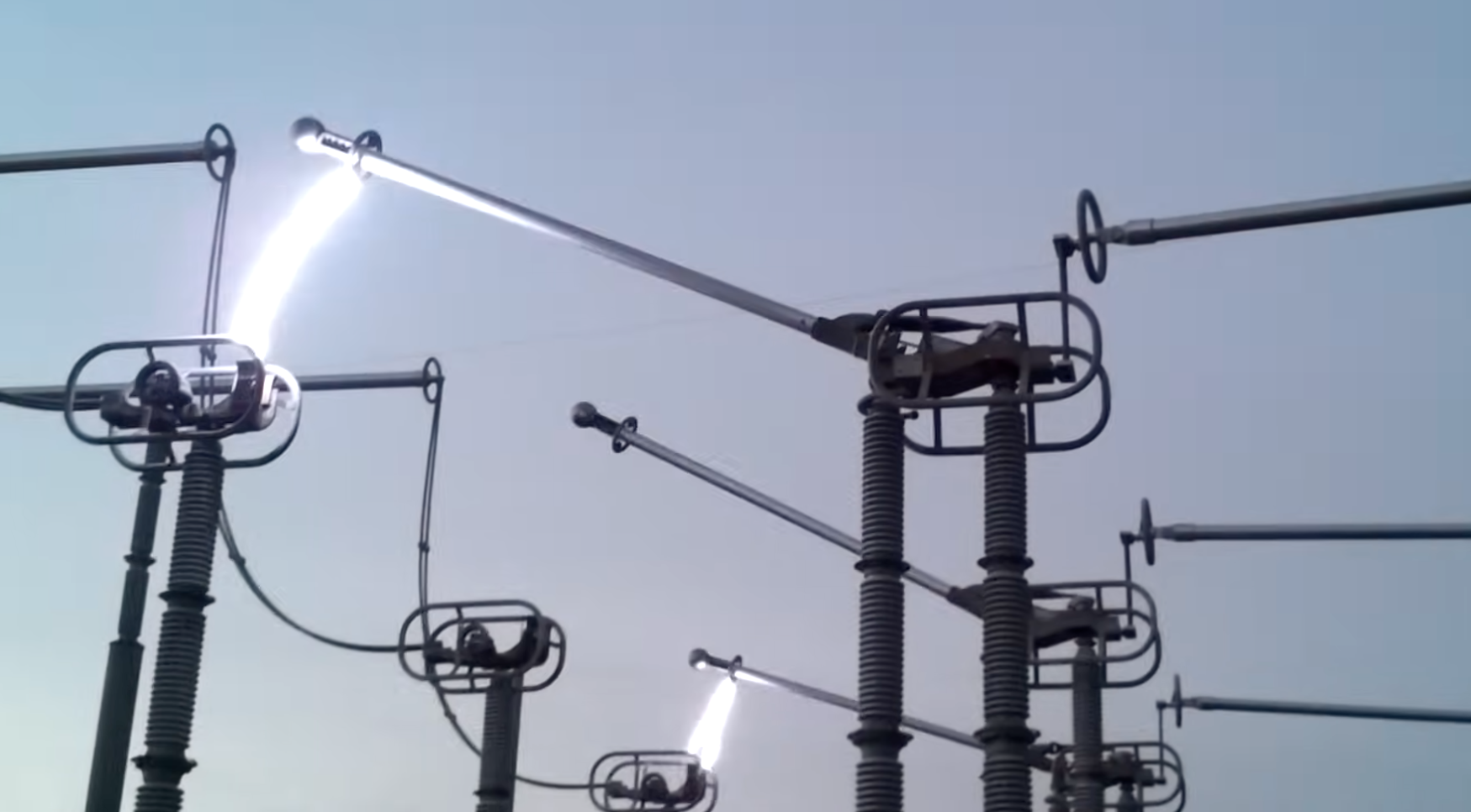
Unmanned Arc Detection

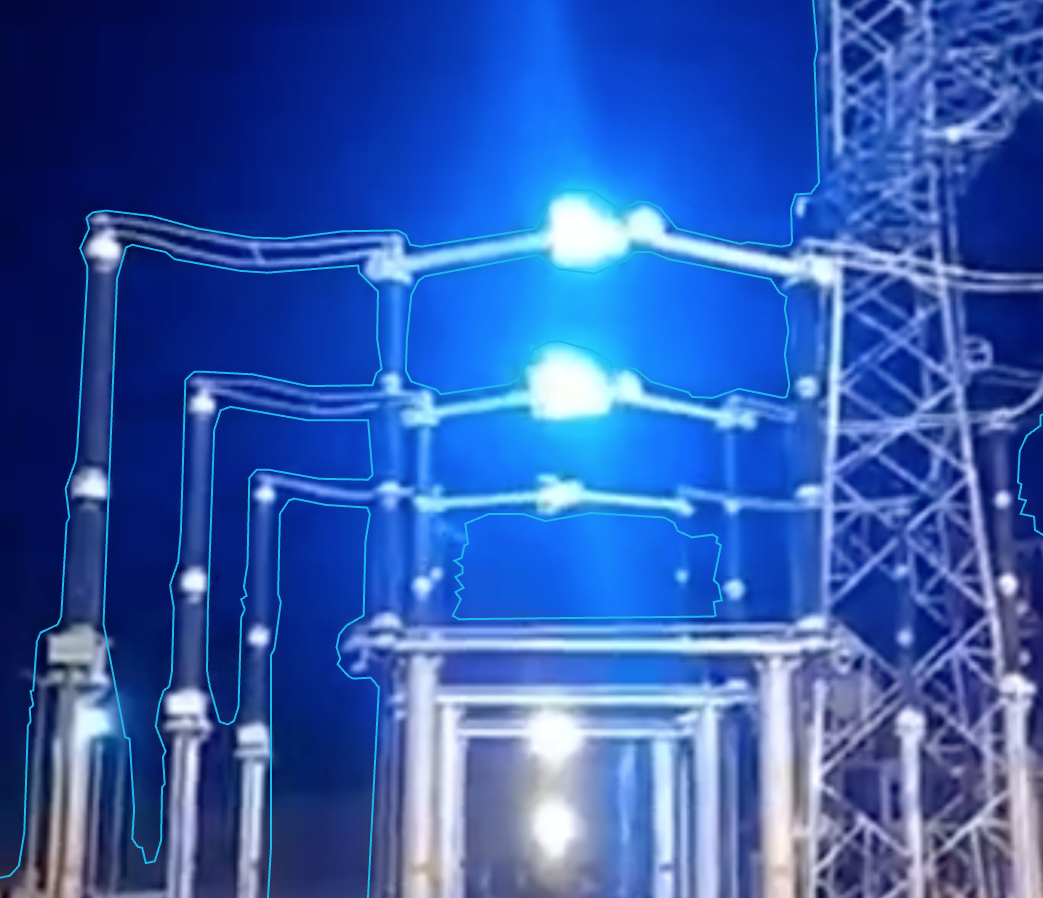
Identify arc flashes from load break switches, disconnects, and capacitor banks during high-wind or abnormal operating conditions. These events often occur in unattended substations and are rarely caught unless they cause visible damage or outages.

Corona and Partial-Discharge Monitoring

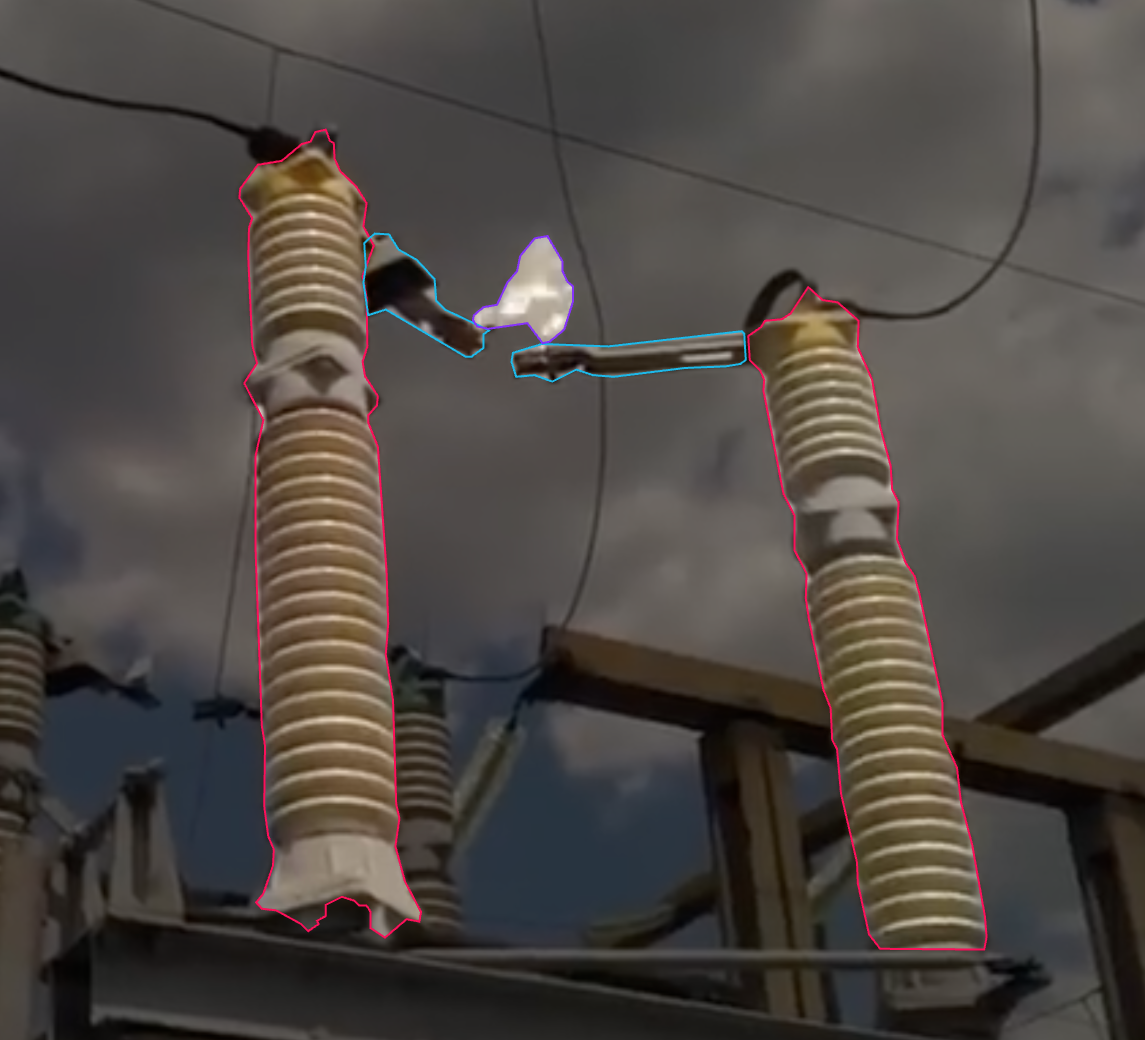
Detect visible corona under certain lighting conditions around insulators, bushings, and connectors. Early identification helps reduce the probability of surface tracking or flashovers that could lead to fire ignition.

Equipment Overheating Evidence

Identify overheating transformers, stuck cooling fans, or overloaded conductor attachments that could contribute to ignition risk. Visual confirmation paired with OT temperatures validates decisions about load shedding or protective actions.

Dry Brush and Fuel Load Accumulation

Monitor dry grass, brush, and fuel buildup around pad-mounted equipment, fences, and transformer pads. These conditions often go unnoticed until an ignition event occurs, especially at remote or partially staffed sites.

Spot Hazards That Threaten Grid Assets

Grid Supervisor identifies debris, wildlife intrusion, vegetation encroachment, ice accumulation, fallen objects, or material displacement across substations. These issues often go unnoticed until they trigger faults, clearance violations, or mechanical stress, making early detection essential to reliability.

Foreign Object Impact (Tumbleweed and Debris)

Capture situations where tumbleweeds, trash, sheet metal, or wind-blown material contacts energized components or blocks cooling airflow. These foreign objects are a known ignition risk during red-flag wind periods.

Ice and Weather Impact

Identify ice buildup on insulators, connectors, switches, and steel structures. Track freeze-thaw cycles that lead to mechanical binding, motion interference, or structural imbalance.

Wildlife Interference Detection

Spot birds, rodents, nests, or animal-driven disturbances around critical assets. Wildlife is a leading cause of preventable grid faults, and early detection avoids many outages.

Vegetation Intrusion During Extreme Wind

Document limb contact, conductor slap, and vegetation movement toward energized components during high winds. Visual evidence provides real justification for sectionalizing or de-energizing during wildfire conditions.
Features

Evidence-Driven Strategy

Compare operational behavior across events, days, and switching cycles to uncover variations that affect reliability, load stability, and asset health. Link these deviations to root causes such as mis-operations, thermal anomalies, debris obstruction, and unexpected device states to guide smarter grid decisions.
Reveal shifts in equipment behavior that impact reliability
Identify patterns of abnormal switching or device positions
Connect OT events to physical conditions with visual evidence
Understand deviations from expected states with context
Move from raw alarms to actionable insights
Dashboard mockup
Dashboard mockup
Features

Grid-Wide Situational Awareness

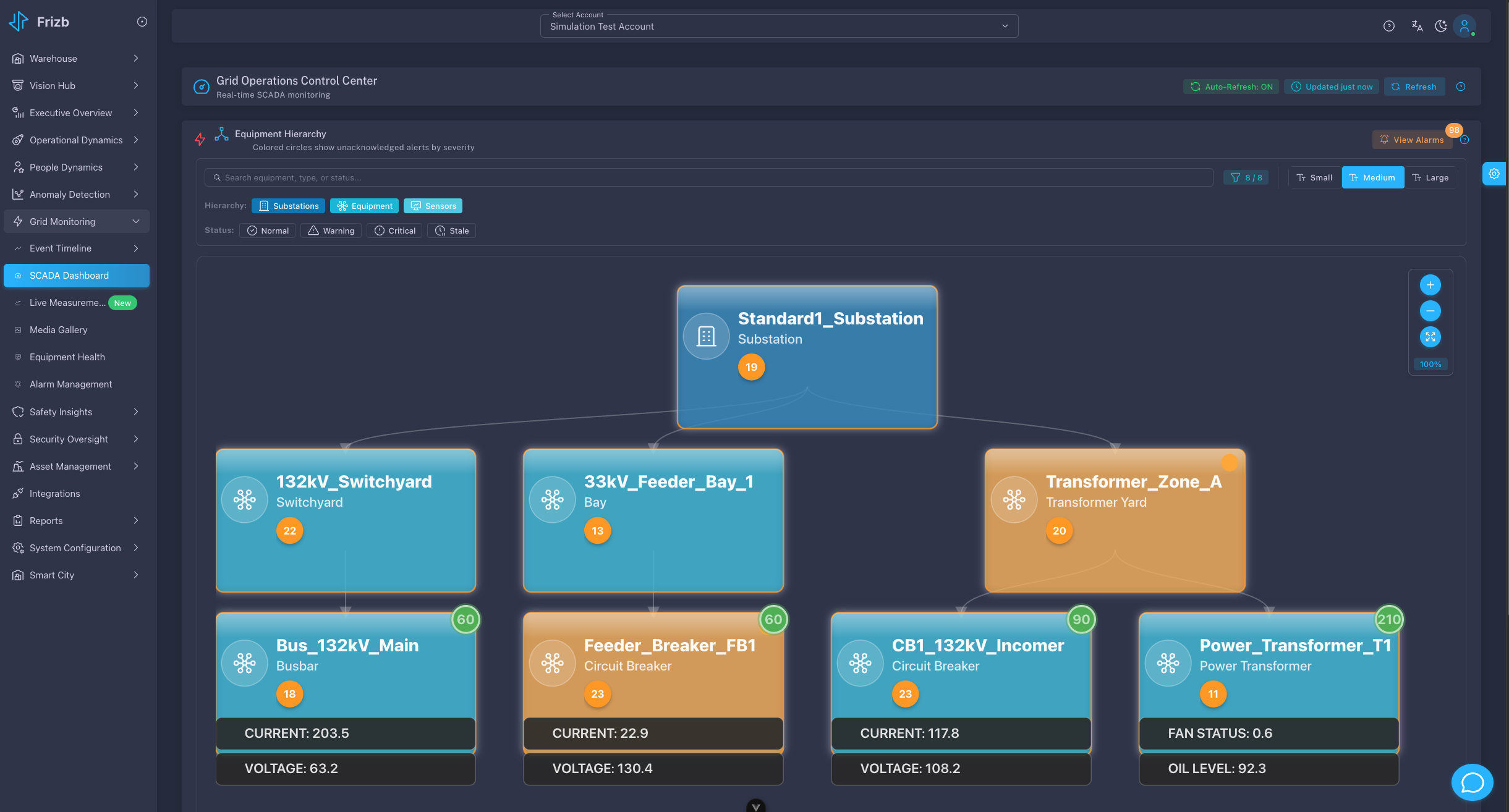
Get a unified view of all substations, feeders, switching yards, and remote assets across the grid. Track equipment health, switching activity, environmental risks, and operational anomalies at scale. Drill down into any site to investigate events with correlated OT logs, DNP3 messages, and visual evidence. Compare trends, spot risks early, and prioritize field actions with confidence.
Features

Tactical Visual Intelligence

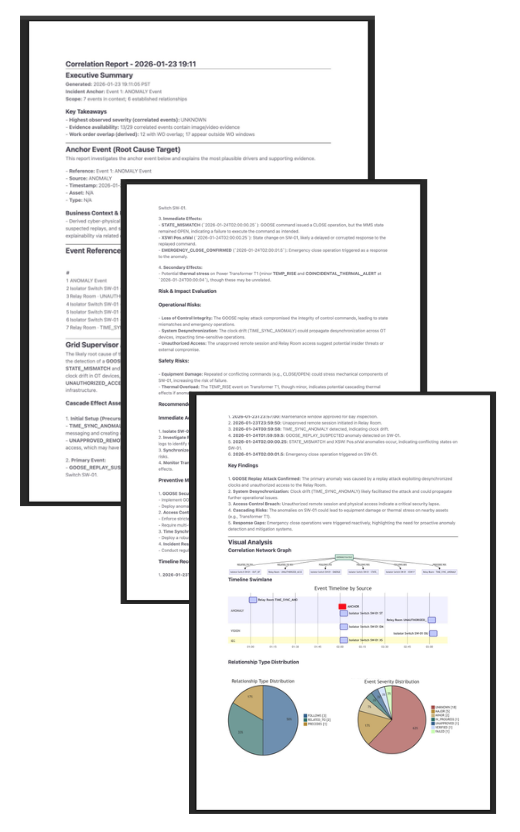
Make substation and feeder activity measurable with fast, evidence-driven reports. Grid Supervisor converts video, thermal signatures, and OT event streams into reliable operational KPIs. Filter, export, and drill down into the exact moment an anomaly occurred.
Correlate Vision Evidence with OT Events
Convert camera and thermal data into actionable context around DNP3, IEC 61850, and SCADA alarms so engineers know not just what tripped, but why.
Automate Daily and Weekly Grid Health Reports
Save, schedule, and deliver concise reports on switchgear movement, transformer loading anomalies, insulator hotspots, and substation access patterns.
Integrate with Existing IT & Utility Systems
Connect to outage management systems, historian databases, and API-based reporting tools to unify visual evidence with grid telemetry and logs.
Dashboard mockup
Integrations

Ecosystem of Partners and Integrations

Explore how Grid Supervisor integrates with utility protocols, sensors, and enterprise systems to deliver unified grid intelligence.
Integration icon

IEC 61850 & DNP3

DNP3, GOOSE, MMS & Selective SV Messages data integrations to map vision AI based physical observations
Integration icon

Modbus

Read and write to PLC registers to trigger safety stops and other custom logic based on vision AI unified data
Integration icon

MQTT

Subscribe and publish to MQTT to trigger safety stops and other custom logic based on vision AI unified data
Integration icon

OPC-UA

Connect with OPC-UA complatible systems to trigger custom logic based on vision AI unified data
Integration icon

SafetyCulture

Automatically generate issues, attaching the required visual proof in photos and videos for full verification
Integration icon

Integration Clouds

Work faster and smarter by integrating with other integration clouds that has many built-in adaptors
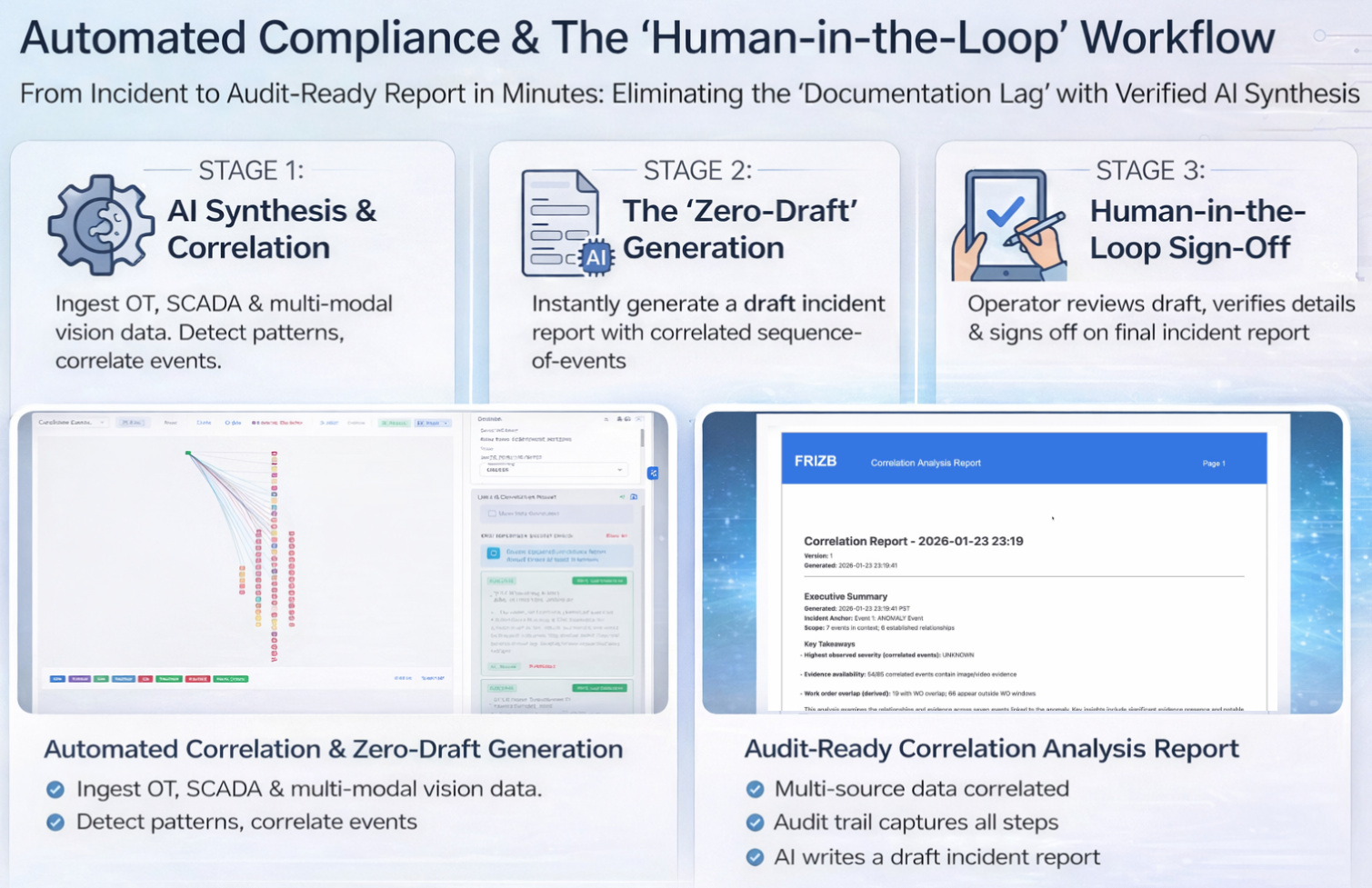
COMPLIANCE

Grid Ready Capabilities Aligned with the DOE Grid Resilience and Innovation Partnerships (GRIP) Program

Unified visual intelligence that directly aligns with GRIP objectives, supporting grid hardening, wildfire mitigation, outage reduction, and advanced sensing. Helps utilities modernize infrastructure, strengthen resilience and demonstrate clear compliance with federal priorities.

Strengthen Grid Resilience

Provides continuous visibility into substations, feeders and switching assets to reduce outage duration, improve event diagnostics and support rapid restoration decisions.

Advance Wildfire Prevention

Detects arcs, flashes, smoke signatures, conductor motion and debris impact to prevent ignition events and support utility wildfire mitigation plans.

Enable Predictive Maintenance

Identifies mechanical drift, heating, abnormal vibration and equipment wear to guide targeted asset upgrades and reduce avoidable failures.

Improve PSPS Justification

Supplies visual evidence of wind conditions, debris movement, vegetation hazards and equipment behavior to support clear, transparent PSPS decisions.

Enhance Situational Awareness

Delivers real time monitoring for reclosers, switches, transformers and capacitor banks without touching OT networks, improving visibility in unmanned substations.

Reduce Patrol and Inspection Load

Decreases unnecessary truck rolls by confirming alarms, verifying switching events, documenting conditions and surfacing true anomalies early.

Start Your Free Trial

Frizb AI Supervisor

Unified Visual Intelligence for a Safer & Resilient Grid

Supports DOE GRIP Resilience Objectives
Provides continuous situational awareness that strengthens grid adaptability, event response and risk reduction as outlined in GRIP funding requirements.
Enables GRIP Wildfire and PSPS Mitigation Strategies
Supplies visual evidence for ignition risk detection, PSPS justification, and high wind hazard forecasting to meet regulatory and community expectations.
Edge Based and Substation Safe
All inferencing runs inside the utility perimeter so video never leaves the premises and no connection to the public cloud is required.
No Connection to OT Networks
Operates on a parallel network layer and observes OT behavior without accessing relays, SCADA or protection systems.